

Almost every combat-era veteran was exposed to hazardous noise. Rifles, artillery, rotors, generators, engines, IEDs — the modern battlefield and the modern motor pool are both loud enough to permanently damage hearing. And yet a huge number of veterans file neither of the two conditions even when they experience both. Hearing loss and tinnitus are separate conditions evaluated under different diagnostic codes. Each requires evidence supporting service connection on the facts of the individual claim.
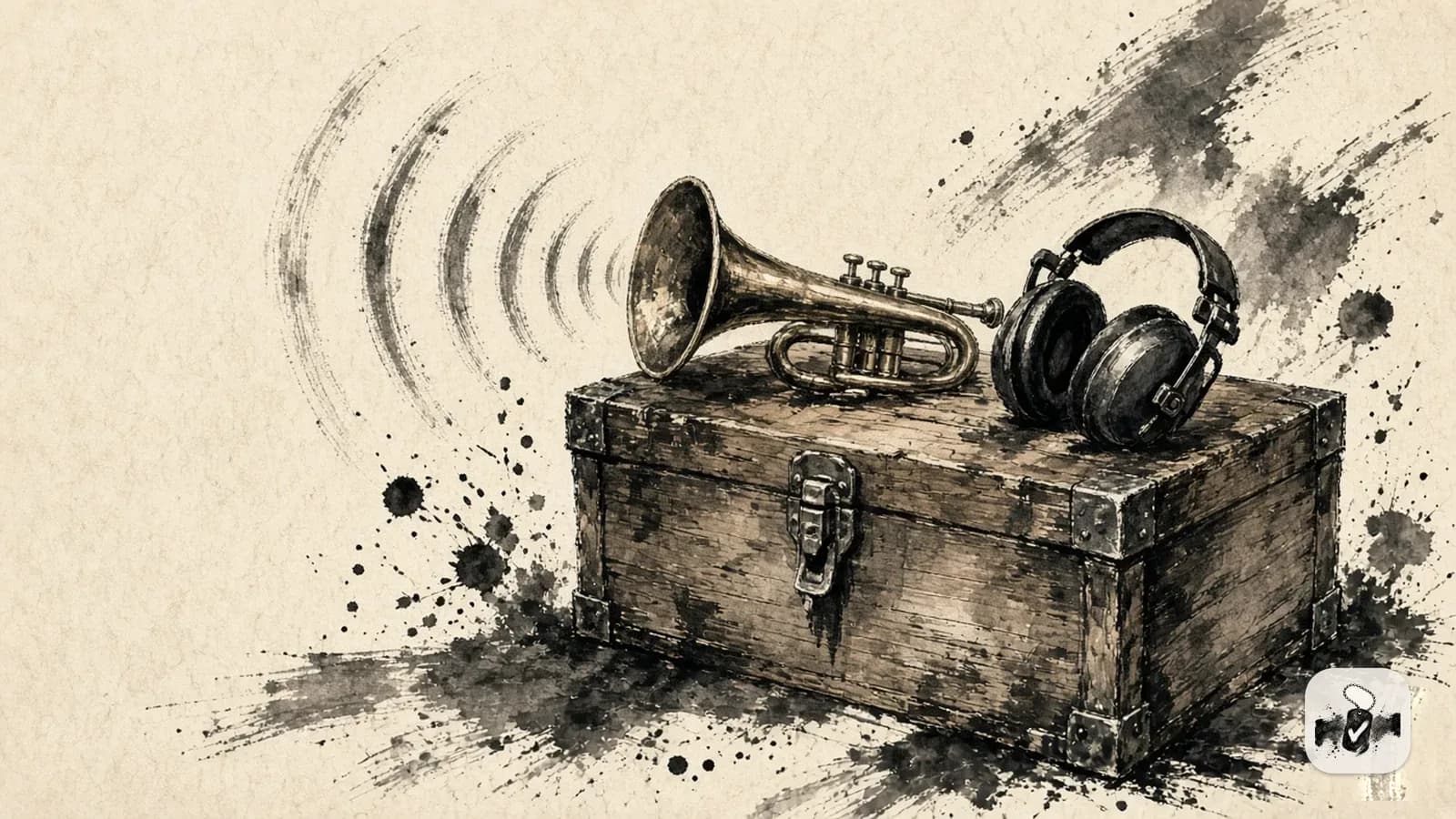
This guide covers how the VA actually measures hearing (the two-test system most veterans don’t understand), the DC 6100 rating tables and why hearing loss so often rates 0%, why recurrent tinnitus is evaluated under DC 6260, how a military job can support the noise-exposure history without creating a presumption, and what evidence VA reviews after separation.
Two separate diagnostic codes
Tinnitus — DC 6260 (§ 4.87): flat 10%, $180.42/month in 2026. Hearing loss — DC 6100 (§ 4.85): 0–100%, driven by the audiogram. When both are claimed, VA evaluates the evidence and applicable rating rules for each condition.
How the VA measures hearing: the two-test system
Hearing-loss ratings are not based on how you feel or how loud the world seems. They are computed from two objective tests, always performed together at the audiology C&P exam:
1. The puretone audiogram
The examiner measures the quietest sound you can hear (your threshold, in decibels) at four frequencies: 1000, 2000, 3000, and 4000 Hz. The average of those four numbers is your puretone threshold average for that ear.
2. The Maryland CNC speech-discrimination test
The examiner reads (or plays) a standardized list of words — the Maryland CNC word list — and scores the percentage you repeat correctly. The VA requires this specific test. A different speech test does not satisfy the schedule.
Then the tables do the work
The VA takes your puretone average and your Maryland CNC score into Table VI of 38 CFR § 4.85, which produces a Roman numeral (I through XI) for each ear. Then Table VII cross-references the two ears’ numerals to produce the percentage rating. There is also § 4.86 for “exceptional patterns” of hearing loss (for example, 55 dB or more at all four frequencies), which can be rated more favorably.
Why hearing loss so often comes back 0%
The DC 6100 tables are strict. Real, measurable, frustrating hearing loss frequently converts to 0%. That is not a denial — it is a service-connected 0% grant. It recognizes service connection at a noncompensable level. Any later increase and effective date depend on the evidence and rules applicable at that time.
Tinnitus under DC 6260: 10% after service connection
Under DC 6260, recurrent tinnitus is evaluated at 10%. The schedule directs VA to assign a single evaluation whether the sound is perceived in one ear, both ears, or in the head. That evaluation rule does not make service connection automatic. VA still reviews evidence of the current condition, an in-service event or exposure, and a link between them:
- No objective test exists. The audiologist cannot hear your ringing. Your competent report is the evidence under 38 CFR § 3.159(a)(2).
- You are competent to report it. Charles v. Principi (2002) and Jandreau v. Nicholson (2007) confirmed a veteran can testify to ringing in their own ears.
- Your service duties can support the exposure history. An MOS or rating is an evidence lead, not a presumption that establishes the condition or nexus (see below).
For more on symptom statements, occupational-noise evidence, and the questions VA may review, see the dedicated tinnitus claim guide and the tinnitus condition guide.

Military job history as an exposure lead
A military job can help identify likely noise sources and records to review. VA adjudicators may compare the veteran’s duties with occupational noise-exposure information when evaluating the in-service event. This is not a presumption of service connection, and the job code alone does not establish recurrent tinnitus, hearing loss, or a nexus. Examples of jobs commonly associated with noise questions include:
- Combat arms: 11B, 11C, 0311, 0341, 0351
- Artillery: 13B, 13F, 0811, 0844
- Armor / cavalry: 19D, 19K
- Aviation: 15-series, 67-series, 6112
- Motor pool / mechanic: 63B, 91B, 3521
- Engineer: 12B, 1371
If a DD-214 shows a job like these, describe the actual equipment, locations, duration, and hearing protection involved. VA still reviews the complete evidence for each claimed condition.
Filing decades after service
There is no deadline to file a VA claim, and noise-induced hearing damage often does not announce itself for years. For a claim filed long after separation, organize the evidence VA says it reviews:
- Current-condition evidence — qualifying audiometric evidence for hearing loss and an accurate history of recurrent tinnitus symptoms.
- In-service noise exposure — your MOS plus a short personal statement describing the exposure (ranges, deployments, equipment).
- Continuity of symptoms — a statement that the ringing / hearing trouble began in or shortly after service and continued. A buddy statement corroborating either the noise or your reports of ringing is powerful. The Lay Statement Generator builds this with your MOS and dates, and the buddy statement guide has the 5-element template.
How to file both claims
- File VA Form 21-526EZ listing both “tinnitus” and “bilateral hearing loss” as claimed conditions.
- Attach a personal statement on the in-service noise exposure and continuity, plus any buddy statement on VA Form 21-10210.
- Prepare for the audiology C&P exam. Read the Hearing Loss DBQ field guide and the Tinnitus DBQ field guide, then run the C&P Exam Prep tool (Founding Pass) with DC 6100 and DC 6260 selected.
- If hearing loss rates 0%, keep the grant — it protects your effective date and can be increased as your hearing declines.
For the guided, end-to-end version — from intent-to-file through the audiology exam through the secondaries that tinnitus opens up — the Claim Coach runs the whole sequence.
Get the free Secondary Conditions Checklist by email
Quick answers
Are hearing loss and tinnitus separate VA claims?
Yes. VA evaluates hearing loss and tinnitus under separate diagnostic codes when each condition is service connected. Recurrent tinnitus is evaluated at 10% under 38 CFR § 4.87 Diagnostic Code 6260. Hearing loss is evaluated under 38 CFR § 4.85 Diagnostic Code 6100 using audiogram results. The evidence for each claimed condition is reviewed on its own facts.
How does the VA measure hearing loss?
Two tests, always together. A puretone audiogram measures your hearing thresholds in decibels at 1000, 2000, 3000, and 4000 Hz, and the Maryland CNC test measures speech discrimination (the percentage of words you can repeat correctly). The VA plugs the puretone average and the speech-discrimination score into Table VI of 38 CFR § 4.85 to get a Roman numeral for each ear, then uses Table VII to convert the two numerals into a percentage rating.
Why does hearing loss often rate 0%?
Because DC 6100 uses the audiometric tables in 38 CFR § 4.85. Measured hearing loss may produce a 0% evaluation. A 0% evaluation can still reflect service connection, while any later request for an increase depends on current evidence and VA effective-date rules.
Is a 10% tinnitus evaluation automatic?
No. DC 6260 assigns a single 10% evaluation for recurrent tinnitus after service connection is established, but the grant itself is not automatic. VA reviews evidence of a current condition, an in-service event or exposure, and a link between them. A veteran can report symptoms they personally experience, but occupational noise history does not by itself establish the current condition or medical link.
Can I file decades after I left service?
Yes. There is no deadline to file a VA disability claim. Hearing loss and tinnitus from in-service acoustic trauma frequently take years to be diagnosed or to worsen to the point a veteran files. The keys are a current diagnosis, evidence of in-service noise exposure (your MOS and a lay statement), and a continuity-of-symptoms statement bridging service to now.
How can a military job support the noise-exposure history?
A military occupational specialty can be an exposure lead because VA adjudicators may compare the veteran’s duties with occupational noise-exposure information. That may support the in-service-event element, but it is not a presumption of service connection. VA still reviews the complete record for the current condition and the link to service.
Educational content only. This is not legal, medical, or financial advice. Always consult an accredited VSO or VA-accredited attorney for claim-specific guidance. CFR citations: 38 CFR § 3.159(a)(2), § 3.385 (hearing-loss thresholds), § 4.85 (Tables VI / VII, DC 6100), § 4.86 (exceptional patterns), § 4.87 DC 6260 (tinnitus). Federal Circuit precedent: Charles v. Principi (2002), Jandreau v. Nicholson (2007), Smith v. Nicholson (2007). MOS noise-exposure probability per VA M21-1. Rate values from va.gov/disability/compensation-rates (FY2026, effective Dec 1, 2025).