

The short answer
VA-recognized Veterans Service Organization (VSO) help on benefit claims is free, accredited, and appointed on VA's file. A claims predator is VA's word for an unaccredited person or company that tries to charge you to "help" file an initial claim, often with a promised rating or a rushed timeline. Only VA decides a rating. This page is education, not a recommendation of any VSO or a ranking of who "wins" claims.
The mix-up
Veterans hear "we'll handle your claim" in an ad and treat that as the same thing as a VSO. It is not.
- Paid help is not an appointment. VA's get-help page (last updated January 23, 2025) is about three accredited types: a VSO representative, an accredited attorney, or an accredited claims agent.
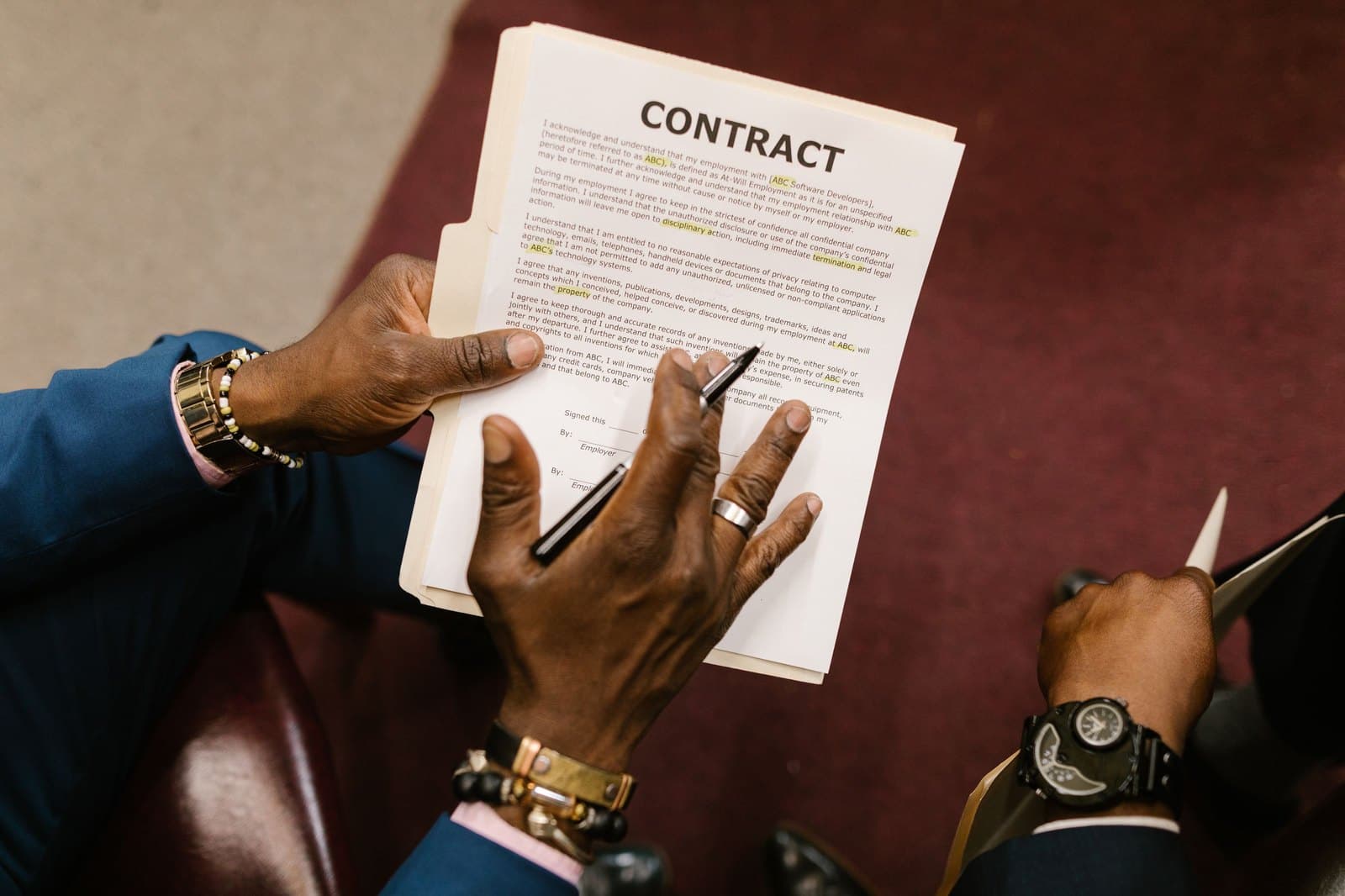
- A helper you found online is not on the file until VA Form 21-22 or 21-22a is signed and submitted. Talking in a group, buying a packet, or signing a private contract is not that form.
- VA's Accredited Representatives page (last updated June 21, 2025) prints this warning: “Beware unaccredited individuals who prepare, present, or prosecute VA benefit claims, or hold themselves out as being authorized to do so, are in violation of Federal law.” That is VA's sentence.
Organizing your own records is still useful. It is not representation. This note stays on what VA writes about VSOs and claims predators. It does not tell you whom to hire.
What VA means by “claims predator”
The current source is VA's Fraud Prevention page (last updated March 4, 2026). Older VA News posts on this topic carry an editor's note that they contain incorrect or outdated language and point back to that page.
VA defines claims predators as bad actors that try to unlawfully charge Veterans to "help" process their initial claims. VA says those companies and individuals also offer reviews and appeals assistance. VA says they often promise expedited processing or higher disability ratings in exchange for unlawful fees, and that they use aggressive email, phone, or text to get people to sign contracts that are not to their advantage.
VA lists these signs:
- Charging high fees, or asking for a portion or multiple of a VA benefit award. VA's sentence: “You should never pay anyone a fee to file an initial claim for benefits.”
- Promising to accelerate the claims process and obtain a 100% disability rating. VA says not to trust that.
- Pressure to sign a contract in exchange for help with an initial VA claim. VA says never sign that.
VA also says: do not trust companies that advertise you can only get VA benefits with their help, that they have special relationships with medical professionals, or that they can guarantee a benefits award. VA adds that if those companies are defrauding the federal government, Veterans can be held responsible for paying those benefits back.
This article does not name firms. Accreditation is a lookup, not a nickname.

Why VA points you to a VSO first
VA lists three accredited types. It does not rank them as "better at winning." It does write different rules for cost, character review, and when someone may charge.
On the get-help page, next to the search tool, VA prints: “the services an accredited VSO representative provides on your VA benefit claims are always free. But an accredited attorney or claims agent can charge you fees for their services.”
VA's accredited-representative FAQs (last updated August 8, 2024) add:
- An accredited VSO representative can help you gather evidence, file a claim, or request a decision review, and can communicate with VA on your behalf. Those services on a VA benefit claim are always free.
- Veterans use accredited VSO representatives more often than other types on initial benefit claims.
- When you choose a VSO, you usually appoint the organization as a whole. You may then work with different representatives of that organization without another form.
- An accredited VSO representative must be recommended to VA's Office of General Counsel by a VA-recognized VSO.
- An accredited attorney must be a member in good standing of at least one state bar.
- An accredited claims agent must pass a written test about VA laws and procedures.
VA's Accredited Representatives page says most representation on initial benefit claims is performed by VA-recognized VSOs and their accredited representatives. It also says VSOs always provide representation on VA claims free of charge.
Read that as written. Free VSO help on benefit claims is VA's rule, not a slogan. It is not a promise that a VSO will get you a rating.
For how to find and appoint, see How Do I Find and Appoint a VA-Accredited Representative?.
When an attorney or claims agent may charge
This is the other accredited lane. It is not a claims predator. It is also not free by default.
The FAQ page says an accredited attorney or claims agent can charge only after all of these are true:
- VA made a decision on the initial claim, and
- VA received a fee agreement signed by both you and the accredited attorney or claims agent, and
- VA received your VA Form 21-22a appointing that attorney or claims agent.
Some accredited attorneys and claims agents provide free help on initial claims. Confirm any cost with the person you contact and with the live VA.gov text. This article does not invent a fee cap, a percentage, or a dollar amount.
VA's Fraud Prevention page says only accredited attorneys and claims agents may charge a fee to consult or advise on a review or appeal, collect evidence for a supplemental claim or appeal, prepare and file a supplemental claim, submit a Higher-Level Review, or submit an appeal to the Board.
A VSO still does not charge for benefit-claim work. That is the cost difference VA prints.
How to check before you share a file
VA's Fraud Prevention page says to verify credentials with the Office of General Counsel accreditation search before you file a claim or give personal information: https://www.va.gov/ogc/apps/accreditation/index.asp
If the name is not on that list, it is not a VA-accredited representative. A website, a Facebook page, or a paid ad is not the list.
Then appoint the person or organization the way VA lists:
- VSO: VA Form 21-22
- Attorney or claims agent: VA Form 21-22a
Both you and the representative sign. Submit it the way the get-help page lists (AccessVA QuickSubmit, mail to the address for your benefit type, or in person at a VA regional office). Questions on that page go to 800-698-2411, ext. 0 (TTY: 711), 24/7.
A new appointment replaces the current one. VA's FAQ says you can discharge an accredited representative at any time and for any reason, and that you should tell the former representative right away.
If something already feels wrong
VA's Fraud Prevention page says to report a representative who acted unlawfully or unethically while helping you file a VA benefits claim at VSAFE.gov or 833-38V-SAFE.
The FAQ page says you can file a complaint with VA's Office of General Counsel about an accredited representative, and that you can also file a complaint if someone who is not accredited tries to help you prepare, present, or prosecute VA benefit claims.
That page also links FTC and, for financial products, CFPB. This article does not add a fourth complaint path.
What this page is not
This is not a recommendation of DAV, VFW, American Legion, or any other VSO. It is not a ranking of claim outcomes. It is not legal advice and it does not price anyone's services. It is not a list of companies to avoid by name. It is not accredited representation.
My Claim Packet by VA Disability Max is independent of VA. Educational only. Confirm the live VA.gov text before you act.
Organizing a packet is not an appointment
The condition catalog and public guides stay free. The $59 Founding Pass unlocks the dashboard so you can keep what you find and export a packet. Details are on /pricing. That is organization. It does not file, it does not represent you, and it does not put anyone on VA's file. Appointing an accredited representative is the VA process: find, contact, sign Form 21-22 or 21-22a, and submit it the way VA lists.
Quick answers
What is a claims predator?
VA’s Fraud Prevention page (March 4, 2026) defines claims predators as bad actors that try to unlawfully charge Veterans to “help” process their initial claims. VA lists high fees, promised 100% ratings or faster processing, and pressure to sign a contract for initial-claim help as warning signs.
Why does VA treat a VSO as the safer first stop?
VA writes that accredited VSO services on your VA benefit claims are always free, that a VSO representative must be recommended by a VA-recognized organization, and that most initial-claim representation is done by those VSOs. VA also writes that unaccredited people who prepare, present, or prosecute claims, or hold themselves out as authorized to do so, violate federal law.
Can I pay someone for an initial claim?
VA’s sentence: you should never pay anyone a fee to file an initial claim for benefits. Accredited attorneys and claims agents may charge only after VA’s three conditions on the FAQ page are met. This page does not invent a dollar amount or a percentage.
How do I check if someone is accredited?
Use VA’s Office of General Counsel accreditation search before you share records or sign anything. Then use Form 21-22 (VSO) or 21-22a (attorney or claims agent).
Is this site a VSO?
No. My Claim Packet is education and tools. It is not a VSO, not a lawyer, and not appointed on VA’s file.
Choose your free next step
Look up another condition, or get the printable Secondary Conditions Checklist by email.
Look up another conditionWant to save this and export a packet later? That's the $59 pass.
Educational only. Not a VSO, attorney, or claims agent. Not accredited representation. My Claim Packet by VA Disability Max is independent of VA. No guaranteed rating or outcome. Confirm the live VA.gov text before you act. Sources: VA.gov Get help from a VA accredited representative or VSO (January 23, 2025); VA.gov VA accredited representative FAQs (August 8, 2024); benefits.va.gov Accredited Representatives (June 21, 2025); benefits.va.gov Fraud Prevention (March 4, 2026); VA Form 21-22; VA Form 21-22a; VA Office of General Counsel accreditation search; VSAFE.gov. This article does not invent fee caps, ratings, dollar amounts, or firm names.